
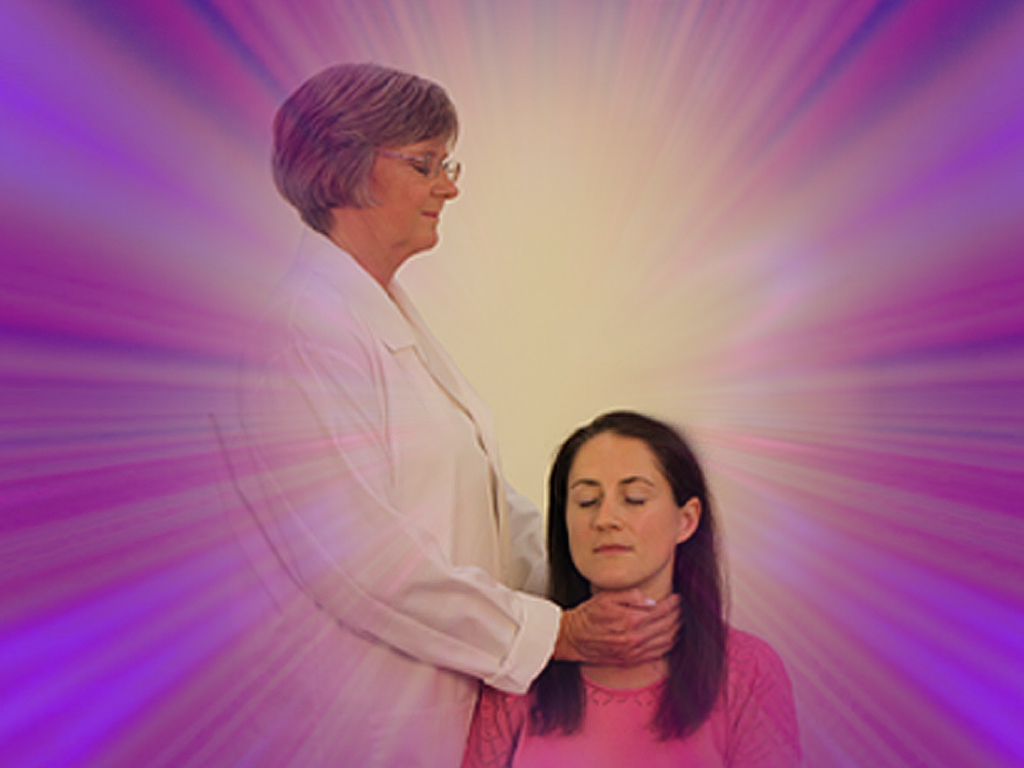
Perhaps you've felt it – a pull, a knowing deep within, that your purpose extends beyond the ordinary. Maybe you’ve already found that you possess a natural ability to ease others' pain, offering comfort and guidance simply through your presence and intuitive insights. This calling may be the first step towards discovering how to become a licensed spiritual healer professionally, transforming your innate gifts into a fulfilling and impactful career.
Spiritual healing taps into something profound within us – a connection to the universe, to each other, and to our own inherent ability to heal. It’s about cultivating mental clarity amidst the chaos, building emotional resilience in the face of adversity, and fostering a deeper connection to ourselves and the divine. Becoming a licensed spiritual healer is about more than a career; it's about embodying a way of being.
Today, take a moment to connect with your breath. Close your eyes, inhale deeply, filling your lungs with light and peace, and exhale slowly, releasing any tension or doubt. Even this small practice can be a powerful step in your spiritual journey.
Embarking on the Path: How to Become a Licensed Spiritual Healer Professionally
Spiritual healing isn't a one-size-fits-all practice. It's a mosaic of traditions, techniques, and personal experiences. If you are driven to learn how to become a licensed spiritual healer professionally, understanding the foundations upon which it rests is crucial. While "licensed" can vary depending on location and specific modalities, it generally implies completing specific training, meeting ethical standards, and, in some cases, passing examinations.
At its heart, spiritual healing recognizes the interconnectedness of body, mind, and spirit. It's about shifting our focus from simply treating symptoms to addressing the root causes of dis-ease, which often lie in energetic imbalances, emotional wounds, or spiritual disconnect. Faith, whether in a specific deity, the universe, or your own inner wisdom, plays a vital role. Meditation and mindfulness practices help to quiet the mind, allowing you to access deeper levels of intuition and connection. Ultimately, it's about aligning with your authentic self and empowering others to do the same.
Understanding the Landscape: Licensing, Certification, and Ethical Considerations
Navigating the path to becoming a licensed spiritual healer professionally can feel like traversing a complex landscape. "Licensing," in the strictest legal sense, is rare in the field of spiritual healing. However, "certification" is more common, offered by various schools, organizations, or specific healing modalities (like Reiki). It is important to research the credentials and reputation of any certifying body.
Ethical considerations are paramount. A strong ethical foundation will guide your practice. This includes maintaining client confidentiality, respecting their beliefs and autonomy, avoiding dual relationships, and practicing within your scope of competence. It also means being transparent about your training and experience, and ensuring that clients understand the nature of spiritual healing and its limitations. Seek out mentorship from experienced practitioners to help you navigate ethical dilemmas.
Choosing a Healing Modality: Finding Your Niche
The world of spiritual healing is vast and varied. From ancient practices like Reiki and shamanic healing to more contemporary approaches like energy psychology and intuitive coaching, there's a modality to resonate with every healer. Take the time to explore different options. Attend workshops, read books, and experience sessions with various practitioners. Consider what aligns with your natural abilities, values, and interests.
Once you've identified a modality (or several) that resonate, commit to in-depth training. Look for reputable programs that offer comprehensive instruction, hands-on practice, and ethical guidelines. This training will provide you with the tools, knowledge, and confidence to offer effective and ethical healing sessions. Common examples of modalities include:
Reiki
Sound Healing
Crystal Therapy
Spiritual Counseling
Energy Healing
Building Your Practice: Practical Steps to Professional Success
Knowing how to become a licensed spiritual healer professionally is not just about learning the techniques; it's also about building a thriving practice. This involves practical steps like creating a business plan, setting fees, developing a marketing strategy, and establishing clear policies and procedures.
Start by defining your target audience. Who are you trying to reach? What are their needs and challenges? Understanding your ideal client will help you tailor your services and messaging. Network with other practitioners, attend community events, and offer introductory workshops to raise awareness of your work. Building a website and using social media can also be effective ways to connect with potential clients.
Remember that building a successful practice takes time, patience, and persistence. Don't be afraid to experiment, learn from your mistakes, and adapt your approach as needed. Focus on providing excellent service, building strong relationships with your clients, and creating a safe and supportive healing environment.
Nurturing Your Inner Landscape: Essential Practices for Spiritual Healers
As a spiritual healer, your inner state is your most powerful tool. It's crucial to cultivate practices that nourish your body, mind, and spirit. Regular meditation, breathwork, and grounding exercises can help you stay centered and connected. Spending time in nature, engaging in creative expression, and surrounding yourself with supportive community can also be deeply restorative.
Simple Daily Practices
Breathwork: Take a few minutes each day to practice deep, conscious breathing. Inhale deeply through your nose, filling your belly with air, and exhale slowly through your mouth, releasing any tension or stress. Affirmations: Start your day with positive affirmations that align with your goals and intentions. For example, "I am a powerful healer," or "I am filled with love and compassion." Visualization: Visualize yourself as a radiant source of healing energy, offering comfort and support to those in need. Grounding: Connect with the earth by walking barefoot on the grass, spending time in nature, or visualizing roots extending from your feet deep into the ground. Gratitude:Take a few moments each day to reflect on the things you're grateful for. This simple practice can shift your perspective and cultivate a sense of joy and abundance.
Common Struggles and Gentle Guidance
Doubt and distractions are inevitable on the spiritual path. When they arise, remember to be kind to yourself. Acknowledge your feelings without judgment and gently redirect your attention back to your intention. Emotional blockages can also surface as you delve deeper into your healing work. If you find yourself struggling, don't hesitate to seek support from a trusted mentor, therapist, or spiritual advisor.
Patience and trust are essential. Healing is a lifelong journey, not a destination. Celebrate your progress, learn from your setbacks, and trust that you are exactly where you need to be. Remember that even small steps can lead to profound transformation.
The Importance of Self-Care
You cannot pour from an empty cup. Prioritize your own well-being to avoid burnout. Set clear boundaries with clients and schedule regular time for rest and rejuvenation. Engage in activities that bring you joy and nourish your soul. This might include spending time with loved ones, pursuing hobbies, or simply taking a long bath.
When to seek support from mentors, healers, or therapists is when you feel overwhelmed, depleted, or triggered by your work. Don't hesitate to reach out for help when you need it. Seeking support is a sign of strength, not weakness. It allows you to continue to serve others from a place of wholeness and well-being.
FAQ: How to Become a Licensed Spiritual Healer Professionally
What is the difference between a spiritual healer and a therapist?
A therapist is typically licensed by the state to provide mental health services and uses evidence-based techniques. A spiritual healer focuses on energy, spiritual connection, and often works outside the traditional medical model. While some therapists may integrate spiritual practices, the core focus and training differ significantly.
Is there a national license for spiritual healers?
No, there is no national license for spiritual healers in the United States or many other countries. However, certifications are available from various organizations that offer training and set standards within specific healing modalities, like Reiki or sound healing.
How long does it take to become a certified spiritual healer?
The time frame varies depending on the healing modality and the depth of training. Some certifications can be obtained in a matter of weeks, while others may require several years of dedicated study and practice.
What qualities make a good spiritual healer?
Empathy, compassion, intuition, strong ethical boundaries, and a genuine desire to help others are essential qualities. A commitment to self-care and ongoing personal and spiritual growth is also crucial.
How do I find a reputable training program?
Research different schools and organizations, check their credentials and reputation, read reviews from past students, and talk to experienced practitioners in the field. Look for programs that offer comprehensive instruction, hands-on practice, and ethical guidelines.
Can spiritual healing be combined with conventional medical treatment?
Yes, many people find that spiritual healing complements conventional medical treatment. However, it's essential to communicate openly with your healthcare providers and to understand that spiritual healing is not a substitute for medical care.
The journey of learning how to become a licensed spiritual healer professionally is a profound and transformative one. It requires dedication, perseverance, and a deep commitment to serving others. As you embark on this path, remember to trust your intuition, embrace your unique gifts, and always stay connected to your own source of healing. Take a step today. Research a healing modality that resonates with you and explore training opportunities. Your journey awaits.

Post a Comment