
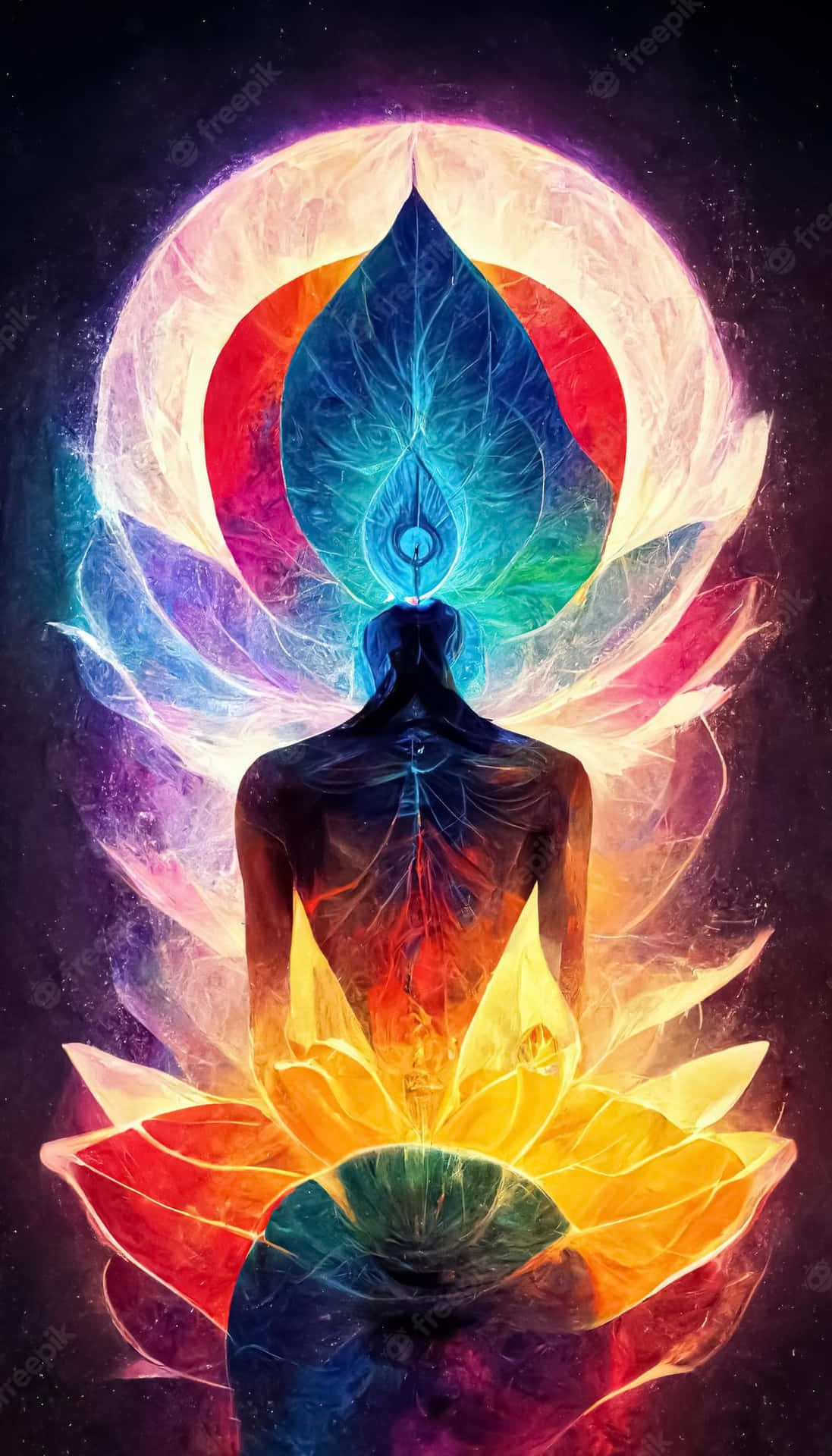
Have you ever felt like something was blocking your path, a subtle weight holding you back from your full potential? This unseen barrier, this sense of unease, can often be addressed through spiritual healing, a powerful path toward wholeness and inner peace. By understanding what is spiritual healing and how it works, you can begin to gently clear these blockages and step into a brighter, more authentic version of yourself.
Spiritual healing matters because it allows us to connect with the deeper parts of ourselves that often get overlooked in the hustle and bustle of daily life. It offers clarity in moments of confusion, fosters emotional resilience when faced with challenges, and cultivates a profound sense of connection – to ourselves, to others, and to something larger than ourselves. It's a journey towards self-discovery and self-acceptance, allowing you to live a life aligned with your true values and purpose.
To begin exploring your own spiritual healing journey, try this simple exercise: Find a quiet space, close your eyes, and take a few deep breaths. As you inhale, imagine drawing in light and love. As you exhale, release any tension, stress, or negativity. Repeat this for five minutes, focusing on the feeling of peace and calm that arises within you. This simple breathwork practice can be a powerful tool for grounding yourself and opening yourself up to the healing energies around you.
Understanding What Is Spiritual Healing and How It Works
Spiritual healing is, at its core, about restoring balance and harmony within ourselves and our connection to the universe. It acknowledges that we are more than just our physical bodies; we are complex beings comprised of body, mind, and spirit, all interconnected and influencing each other. It’s not about magically fixing problems, but rather about creating the conditions for inner transformation and self-healing to occur. It recognizes the inherent wisdom and healing power within each of us.
Spiritual healing operates on the understanding that we are all part of a larger energetic field, and that imbalances within this field can manifest as physical, emotional, or mental distress. By addressing these imbalances, we can activate our own innate healing abilities and restore wholeness. This might involve working with energy, exploring our beliefs and thought patterns, cultivating self-compassion, and connecting with our intuition.
Foundations of Spiritual Healing
The foundations of spiritual healing rest on several key elements. First,energy is a central concept. Many traditions believe that all living beings are surrounded by and interconnected through an energetic field. When this energy is flowing freely and harmoniously, we experience health and well-being. When it becomes blocked or stagnant, we can experience dis-ease. Practices like Reiki, acupuncture, and Qigong aim to restore the flow of energy within the body.
Faith also plays a significant role. While not necessarily tied to any specific religion, faith in a higher power, in the healing process itself, or in your own inner strength can be a powerful catalyst for transformation. This faith can manifest as trust, hope, and a willingness to surrender to the wisdom of the universe.
Meditation and mindfulness practices are also essential tools. They allow us to quiet the mind, connect with our inner selves, and become more aware of our thoughts, feelings, and sensations. This awareness is crucial for identifying imbalances and making conscious choices that support our well-being. Through regular meditation, we can cultivate a sense of inner peace and cultivate a stronger connection to our intuition.
Finally,inner alignment is about living in accordance with our values, beliefs, and purpose. When we are aligned with our true selves, we experience a sense of authenticity and fulfillment. This alignment can be cultivated through self-reflection, journaling, and making choices that honor our needs and desires.
Simple Practices for Spiritual Healing
Spiritual healing doesn’t have to be complicated. Here are a few simple practices you can incorporate into your daily life: Breathwork:As mentioned earlier, conscious breathing can be a powerful tool for calming the nervous system and connecting with your inner self. Try practicing deep, diaphragmatic breathing for a few minutes each day.
Affirmations: Positive affirmations can help to reprogram your subconscious mind and cultivate a more positive outlook. Choose affirmations that resonate with you, such as "I am worthy of love and happiness" or "I am capable of healing." Repeat these affirmations regularly, especially during times of stress or self-doubt.
Visualization: Visualization involves creating a mental image of your desired outcome. This can be used to heal physical ailments, manifest your goals, or simply cultivate a sense of peace and well-being. Close your eyes and imagine yourself surrounded by healing light, feeling healthy, happy, and whole.
Grounding: Grounding practices help to connect you with the earth and bring you back to the present moment. Spend time in nature, walk barefoot on the grass, or simply sit quietly and feel your connection to the earth beneath you.
Gratitude: Practicing gratitude can shift your focus from what you lack to what you already have. Take a few minutes each day to write down or reflect on the things you are grateful for. This can be anything from the sunshine to the love of your friends and family.
The Role of Environment in Spiritual Healing
Your environment plays a significant role in your spiritual healing journey. Aquiet space where you can relax and connect with yourself is essential. This could be a dedicated meditation room, a cozy corner in your home, or simply a quiet spot in nature.
Spending time innature can be incredibly healing. The beauty and tranquility of the natural world can soothe your soul and reconnect you with the earth.
Community and connection with others can also be powerful sources of support and healing. Sharing your experiences with others who understand and support you can help you feel less alone and more empowered.
Finally,sacred objects can be used to enhance your spiritual practice. These could be crystals, candles, incense, or any other objects that hold special meaning for you.
Overcoming Challenges and Continuing Your Journey
It's important to acknowledge that spiritual healing is not always easy. There will be times when you experience doubt, resistance, or emotional blockages. These challenges are a normal part of the process and should be approached with compassion and understanding.
Addressing Common Struggles
Doubt is a common obstacle on the spiritual path. When doubts arise, remember that it's okay to question your beliefs and experiences. Instead of trying to suppress your doubts, explore them with curiosity and openness.
Distractions can also make it difficult to stay focused on your spiritual practice. When your mind wanders, gently bring your attention back to the present moment. Don't judge yourself for getting distracted; simply acknowledge it and redirect your focus.
Emotional blockages can prevent you from accessing your full healing potential. If you are struggling to process difficult emotions, consider seeking support from a therapist or counselor.
A Growth Perspective: Patience and Trust
Remember that spiritual healing is a lifelong journey, not a destination. Be patient with yourself and trust that you are making progress, even if you don't see immediate results. Celebrate your successes, no matter how small, and learn from your setbacks.
Look for*signs of progress, such as increased peace of mind, improved emotional regulation, or a stronger sense of purpose. These signs can help you stay motivated and inspired on your journey.
When to Seek Support
While you can do much on your own, it's important to recognize when you need support from others. Consider seeking guidance from a spiritual mentor, healer, or therapist if you are struggling with difficult emotions, feeling overwhelmed, or experiencing a lack of progress. They can provide you with valuable insights, tools, and support to help you navigate your healing journey.
FAQ About Spiritual Healing
What if I don't believe in energy or a higher power?
Spiritual healing doesn't require a specific belief system. Focus on practices that resonate with you, such as mindfulness, self-compassion, and connecting with nature. The intention is to connect with yourself and foster well-being.
How long does it take to see results from spiritual healing?
The timeline varies from person to person. Some may experience immediate relief, while others may need more time and consistent practice. Patience and self-compassion are key.
Is spiritual healing a replacement for medical treatment?
No. Spiritual healing is a complementary practice and should not replace conventional medical treatment. Always consult with a qualified healthcare professional for any health concerns.
Can anyone practice spiritual healing?
Yes, anyone can practice spiritual healing for themselves. However, if you are working with others, it's important to seek proper training and guidance from experienced healers.
What are some good resources for learning more about spiritual healing?
There are many books, websites, and workshops available on spiritual healing. Look for resources that resonate with you and are aligned with your values. Trusted teachers are invaluable.
How do I know if a spiritual healer is trustworthy?
Look for healers who are ethical, compassionate, and respectful. Trust your intuition and choose someone you feel comfortable with. Ask for referrals and check their credentials.
The path to spiritual healing is a deeply personal one, and it’s an adventure you can begin right now. Take a moment to reconnect with your breath, acknowledge the strength within you, and commit to taking one small step forward on your journey toward wholeness and inner peace.

Post a Comment