
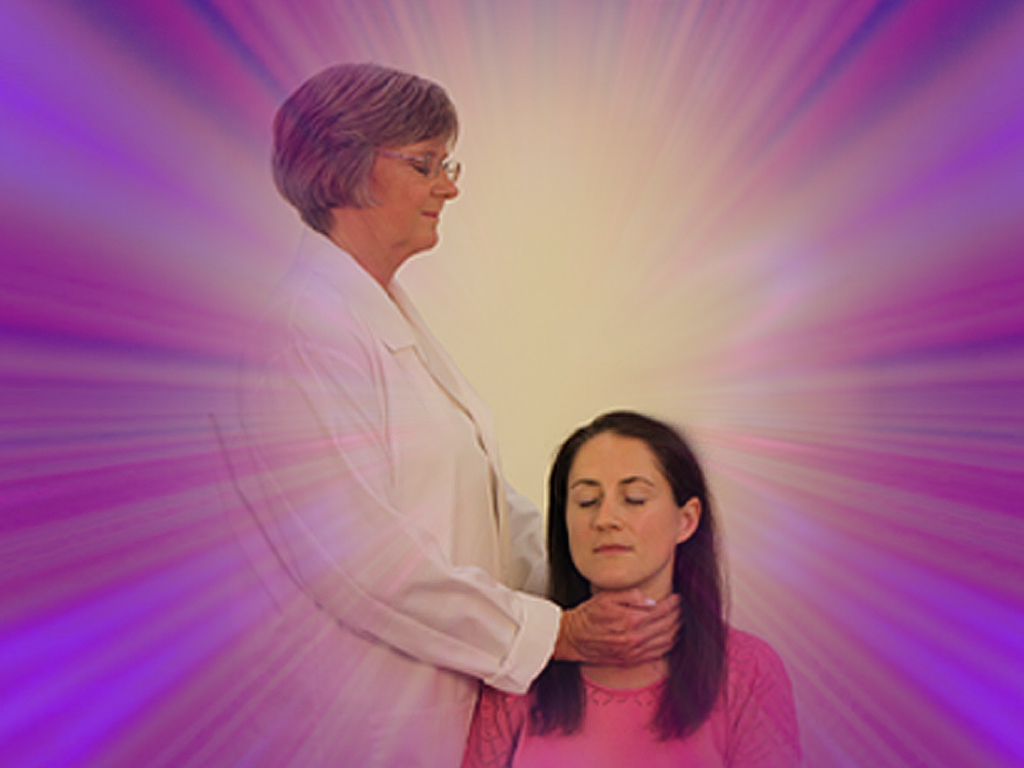
Imagine a life where you not only navigate your own inner landscape with grace but also possess the skills and intuition to guide others toward healing and wholeness. That's the path of a spiritual healer, a journey that calls to many seeking deeper meaning and purpose, and learning how to become a spiritual healer step by step begins with understanding that it's a journey of self-discovery and service.
This isn't merely a profession; it's a calling, a path that fosters mental clarity, bolsters emotional resilience, and cultivates a profoundly deeper connection with yourself and the world around you. Embracing this path can transform your life and the lives of those you touch, creating ripples of healing and positive change.
Today, let's start with a simple practice. Find a quiet space, close your eyes, and take five deep, conscious breaths. As you inhale, imagine drawing in healing light, and as you exhale, release any tension or doubt. Notice how this simple act shifts your energy and brings you more fully into the present moment. This is the foundation upon which a healing practice is built.
Laying the Foundation: Understanding Spiritual Healing
Becoming a spiritual healer isn't about acquiring a set of techniques; it's about cultivating a way of being. It's about recognizing the inherent healing potential within yourself and others, and learning to facilitate its expression. The foundations rest on understanding the interconnectedness of all things and the power of energy. It is about developing faith in a process bigger than you, and finding alignment through practices like meditation.
Spiritual healing acknowledges that we are more than just physical bodies; we are intricate systems of energy, emotions, thoughts, and beliefs. When these aspects are in harmony, we experience well-being. When they are out of balance, illness and suffering can arise. A spiritual healer works to restore this balance, often by addressing the root causes of dis-ease rather than merely treating the symptoms.
Embracing the Holistic Approach
Rather than focusing on a specific ailment, consider the person as a whole: body, mind, and spirit. Are there unresolved emotional issues contributing to physical pain? Are negative thought patterns creating a cycle of anxiety? Addressing these deeper layers is key to lasting healing.
Cultivating Inner Alignment
Spiritual healing begins within. Daily practices such as meditation, prayer, or mindfulness are vital. The more aligned you are with your own inner truth and source of peace, the more effectively you can support others on their healing journeys.
Step-by-Step Guide to Becoming a Spiritual Healer
The journey to becoming a spiritual healer is a personal one, but here's a step-by-step guide to help you along the way:
1.Heal Yourself First: You cannot effectively guide others where you haven't gone yourself. Identify and address your own emotional wounds, limiting beliefs, and unhealthy patterns. Engage in therapy, self-reflection, and healing practices that resonate with you.
2.Develop Your Intuition: Spiritual healing relies heavily on intuition. Practice quieting your mind and listening to your inner guidance. Experiment with tools like oracle cards, pendulums, or automatic writing to enhance your intuitive abilities.
3.Learn About Energy: Study the principles of energy healing, such as the chakra system, meridians, and the human energy field. Understanding how energy flows (or becomes blocked) is essential for facilitating healing.
4.Explore Different Modalities: Research various healing modalities, such as Reiki, Pranic Healing, sound healing, crystal therapy, and shamanic practices. Experiment with different techniques to discover what resonates most deeply with you.
5.Practice Regularly: Consistent practice is crucial. Start by offering healing to yourself, your friends, and your family. The more you practice, the more confident and skilled you will become.
6.Seek Guidance and Mentorship: Find an experienced spiritual healer who can provide guidance, support, and mentorship. Learning from someone who has walked the path before you can accelerate your growth and help you avoid common pitfalls.
7.Embrace Continuous Learning: Spiritual healing is a lifelong journey. Stay open to learning new techniques, expanding your knowledge, and deepening your understanding of the healing process.
8.Create a Sacred Space: Your healing environment matters. Designate a quiet, comfortable space where you can practice healing. Incorporate elements that inspire peace and tranquility, such as candles, crystals, plants, and sacred objects.
9.Trust the Process: Healing is not always linear. There will be times when you feel doubt or uncertainty. Trust that the universe is guiding you, and that everything is unfolding in perfect timing.
Integrating Simple Practices Into Your Daily Routine
Even small, consistent practices can have a profound impact on your healing abilities.
Breathwork: Practice deep, conscious breathing exercises to calm your nervous system and increase your energy flow. Try the 4-7-8 technique: inhale for 4 seconds, hold for 7 seconds, and exhale for 8 seconds. Affirmations: Use positive affirmations to reprogram your subconscious mind and cultivate a more positive self-image. Repeat affirmations such as "I am a powerful healer" or "I am open to receiving and giving healing energy." Visualization: Use visualization to create a mental picture of yourself as a confident and effective healer. Imagine yourself surrounded by healing light, radiating love and compassion. Grounding: Connect with the earth to ground your energy and release any excess energy. Walk barefoot on the grass, hug a tree, or visualize roots extending from your feet deep into the earth. Gratitude:Cultivate a daily practice of gratitude. Write down three things you are grateful for each day. Gratitude helps to shift your focus from what you lack to what you have, opening you up to receive more blessings.
Navigating the Challenges: Doubt, Distractions, and Emotional Blockages
The path of a spiritual healer is not without its challenges. Doubt, distractions, and emotional blockages can all arise along the way.
Doubt is a common experience, especially in the beginning. It's important to remember that everyone experiences doubt from time to time. The key is not to let it paralyze you. Acknowledge your doubts, but don't let them define you. Focus on your strengths and the positive impact you are making.
Distractions are also inevitable in today's busy world. Create a dedicated space and time for your healing practice, and minimize distractions as much as possible. Turn off your phone, close your email, and let your loved ones know that you need uninterrupted time.
Emotional blockages can also hinder your progress. If you find yourself feeling stuck or overwhelmed, seek support from a therapist or counselor. They can help you to identify and release any underlying emotional issues that are preventing you from fully embracing your healing potential.
Growth Perspective: Patience, Trust, and the Lifelong Journey
Becoming a spiritual healer is a lifelong journey, not a destination. Be patient with yourself and trust the process. There will be times when you feel like you are not making progress, but remember that every step you take, no matter how small, is moving you forward.
Celebrate your successes along the way. Acknowledge how far you have come and the positive impact you are making in the lives of others. Stay open to learning and growing, and never stop exploring the depths of your own healing potential.
As you become more attuned to your own energy and the energy of others, you'll start to notice subtle signs of progress. You might find that your intuition becomes stronger, your healing abilities become more potent, and your connection with your higher self deepens. Trust these signs, and allow them to guide you on your path.
When to Seek Support
While self-study and practice are crucial, there are times when seeking external support is essential. Don't hesitate to consult with experienced mentors, therapists, or other healers when facing complex emotional issues, persistent doubts, or situations that feel beyond your current capabilities. Recognizing your limitations and seeking help is a sign of strength, not weakness, and ensures you provide ethical and effective care.
Recognizing Burnout
Spiritual healing can be emotionally demanding. Be mindful of signs of burnout, such as fatigue, emotional exhaustion, and cynicism. Prioritize self-care practices, set healthy boundaries, and take time to recharge.
Addressing Trauma
Working with trauma requires specialized training and expertise. If you encounter clients who have experienced trauma, it's crucial to refer them to a qualified therapist or counselor. Attempting to address trauma without proper training can be harmful.
Ethical Considerations
As a spiritual healer, it's essential to adhere to a strong code of ethics. Maintain confidentiality, respect client boundaries, and avoid making promises you can't keep. Be transparent about your qualifications and limitations, and always prioritize the well-being of your clients.
FAQ Section
What if I don't feel "spiritual enough" to be a spiritual healer?
Everyone has the capacity for spirituality, regardless of their beliefs or background. Being a spiritual healer is less about adhering to a specific doctrine and more about cultivating compassion, empathy, and a deep connection with yourself and others.
How long does it take to become a spiritual healer?
There's no set timeline. It's an ongoing journey of self-discovery and growth. Focus on consistent practice, learning, and personal development, and trust that you will evolve at your own pace.
Do I need to have special abilities or gifts to be a spiritual healer?
While some people may have natural inclinations, spiritual healing is a skill that can be developed through practice and dedication. Everyone has the potential to connect with healing energy and facilitate healing in others.
Can I make a living as a spiritual healer?
It's possible to create a sustainable career as a spiritual healer, but it requires dedication, marketing skills, and a commitment to providing high-quality services. Consider offering a range of services, such as individual sessions, workshops, and online programs.
What's the difference between spiritual healing and traditional medicine?
Spiritual healing takes a holistic approach, addressing the root causes of dis-ease and promoting overall well-being. Traditional medicine often focuses on treating symptoms. The two approaches can complement each other effectively.
How do I protect myself from negative energy while healing others?
Establish strong boundaries, practice grounding techniques, and visualize yourself surrounded by a protective shield of light. Clear your energy regularly through practices like smudging or salt baths.
Now, take a moment to reflect on everything you've learned. Consider which step resonates most strongly with you right now. Perhaps it's developing your intuition, exploring different modalities, or simply committing to a daily practice of gratitude. Choose one action you can take today to move forward on your path to becoming a spiritual healer, and trust that each step will bring you closer to fulfilling your purpose.

Post a Comment