
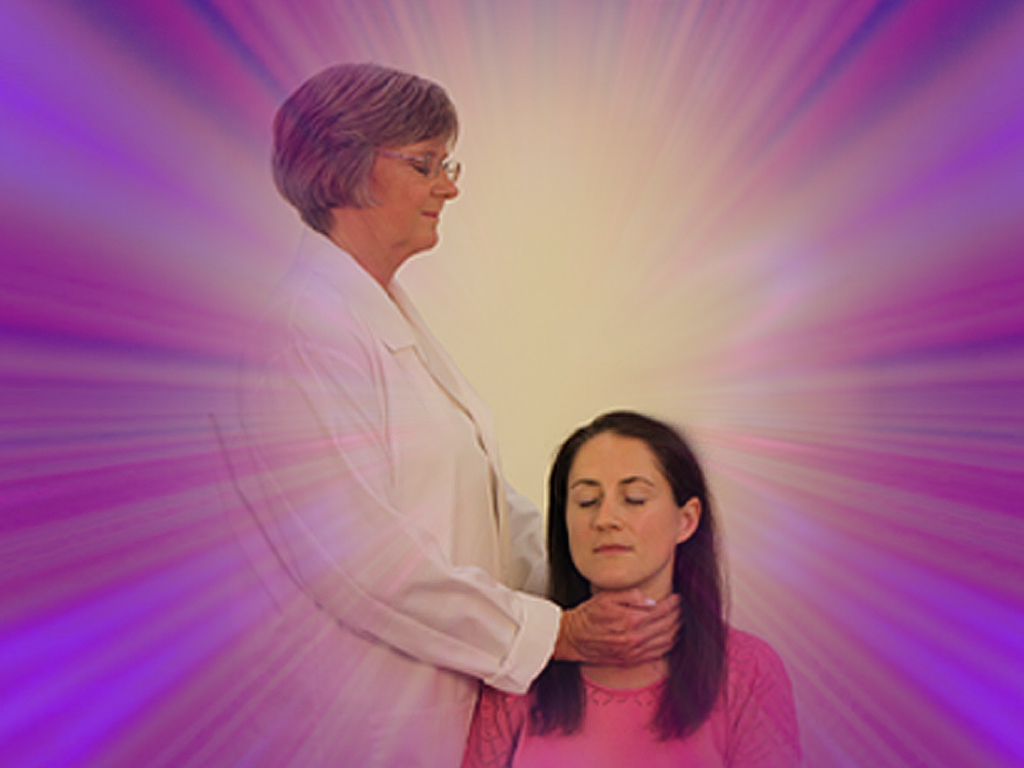
The pain of disconnection – from ourselves, from others, from something larger than us – is a signal. It whispers of imbalances, unmet needs, and a longing for wholeness. We all possess an innate capacity to heal, to mend the fragmented pieces and rediscover our inner peace. But what qualities truly make someone a spiritual healer, someone who can guide others toward this transformative journey? It's far more than mastering techniques; it’s an embodiment of specific virtues and a profound commitment to service.
This question matters because we are all, in essence, healers. Understanding the qualities that nurture this ability within us can lead to greater mental clarity, emotional resilience, and a deeper connection to our own inner wisdom. When we cultivate these qualities, we not only heal ourselves, but we become beacons of light and support for others navigating their own paths to wholeness. The world needs more compassionate souls who are willing to hold space for healing, and it starts with recognizing the potential within you.
For today, consider this: find a quiet space and reflect on a time when you felt deeply connected – to nature, to a loved one, to your own inner self. What qualities were present in that moment? Was it love, compassion, understanding? Write them down. These are the seeds of your own healing power.
The Heart of a Healer: Compassion and Empathy
At the core of every spiritual healer lies a deep well of compassion and empathy. This isn't simply about feeling sorry for someone's suffering; it's about truly understanding their pain, walking in their shoes, and seeing the world through their eyes. It’s the ability to hold space for another person’s experience without judgment, offering a safe and supportive presence that allows them to feel seen and heard. Compassion motivates the healer to act, to alleviate suffering, and to empower others to find their own strength. Empathy provides the bridge to connect on a soul level.
Cultivating Compassion in Daily Life
Compassion isn’t an innate talent; it’s a muscle that can be strengthened with practice. Start by noticing the small acts of kindness around you. Practice active listening, truly hearing what others are saying without interrupting or formulating a response. Volunteer your time to help those in need. Most importantly, extend that same compassion to yourself. Treat yourself with kindness and understanding, acknowledging your own struggles and celebrating your victories. Remember, you cannot pour from an empty cup.
Authenticity and Integrity: Walking Your Talk
A true spiritual healer embodies authenticity and integrity. This means living in alignment with your values, being honest with yourself and others, and walking your talk. People are incredibly perceptive, and they can sense when someone is being disingenuous or trying to project an image that doesn't match their inner reality. Authenticity fosters trust, and trust is essential for creating a safe and healing environment. It's about showing up as your true self, imperfections and all, and allowing others to do the same.
Intuition and Discernment: Trusting Your Inner Guidance
Spiritual healing often involves tapping into subtle energies and intuitive guidance. It requires the ability to listen to your inner wisdom, to trust your gut feelings, and to discern truth from illusion. This doesn’t mean abandoning logic or reason; rather, it means integrating them with your intuition to gain a more complete understanding of the situation. A skilled healer can sense the underlying causes of suffering and guide others toward solutions that resonate with their soul.
Developing Your Intuitive Abilities
There are many ways to enhance your intuition. Meditation is a powerful tool for quieting the mind and connecting with your inner voice. Spend time in nature, observing the patterns and rhythms of the natural world. Practice journaling, writing down your thoughts and feelings without censoring yourself. Pay attention to your dreams, as they often contain valuable insights. Experiment with different forms of divination, such as tarot or oracle cards. Most importantly, trust your intuition and act on it, even when it doesn't make logical sense.
Humility and Openness: A Lifelong Learner
A spiritual healer understands that they are simply a vessel, a conduit for healing energy. They approach each individual with humility, recognizing that they don't have all the answers and that everyone's journey is unique. They remain open to new perspectives, always learning and growing. They understand that healing is a lifelong process, and they are committed to their own personal and spiritual development. Arrogance has no place in the healing space; instead, there is a willingness to learn from every interaction.
Patience and Perseverance: Embracing the Journey
Healing takes time. There will be setbacks, challenges, and moments of doubt. A true spiritual healer possesses patience and perseverance, understanding that the journey is just as important as the destination. They are willing to support others through the difficult times, offering encouragement and guidance along the way. They understand that healing is not always linear, and they are comfortable with the ebb and flow of the process.
Self-Care and Boundaries: Protecting Your Energy
Spiritual healing can be emotionally and energetically demanding. It's crucial for healers to prioritize self-care and to establish healthy boundaries. This means taking time for rest and rejuvenation, nourishing your body with healthy food, and engaging in activities that bring you joy. It also means learning to say no to requests that drain your energy and setting clear boundaries with clients and colleagues. Protecting your own energy is essential for maintaining your well-being and for effectively supporting others.
Connection to Something Larger: Faith and Spirituality
While "spiritual" is in the term, you don't have to be overtly religious to be a spiritual healer. It's about recognizing that there is something larger than ourselves, a source of wisdom, love, and healing energy that connects us all. This could be God, the Universe, nature, or any other higher power. A healer draws strength and inspiration from this connection, allowing it to guide their work and to infuse it with a sense of purpose and meaning. Faith in this power and belief in the innate healing capacity in each of us is vital.
When to Seek Support
It’s important to recognize your limits and to seek support when needed. Don't hesitate to consult with mentors, therapists, or other healers if you are struggling with your own mental or emotional health. Remember that you cannot effectively support others if you are not taking care of yourself. Seeking support is a sign of strength, not weakness.
Frequently Asked Questions
What if I don't feel "spiritual" enough to be a spiritual healer?
Spirituality is a deeply personal journey. You don't need to adhere to any specific religious beliefs or practices to be a spiritual healer. It's about connecting with your inner wisdom, cultivating compassion, and serving others with love and authenticity. If you have a desire to help others heal and grow, that's a great place to start.
Can anyone become a spiritual healer?
Yes, absolutely! We all possess the innate capacity to heal. It's about cultivating the qualities discussed above, developing your skills, and committing to your own personal and spiritual growth. It's a journey of self-discovery and service.
What if I experience doubt or fear when I'm trying to help someone?
Doubt and fear are normal human emotions. Acknowledge them, but don't let them paralyze you. Remind yourself of your intention to help, connect with your intuition, and trust that you are being guided. If the doubt persists, consider seeking support from a mentor or experienced healer.
Is formal training necessary to become a spiritual healer?
While formal training can be beneficial, it's not always necessary. There are many different paths to becoming a spiritual healer. Some people learn through formal programs, while others learn through self-study, experience, and mentorship. Choose the path that resonates with you and that aligns with your goals.
How do I know if I'm making a difference as a spiritual healer?
Pay attention to the feedback you receive from others. Are they feeling more empowered, more hopeful, more connected to themselves? Trust your intuition. You will also feel it within yourself, a sense of purpose and fulfillment that comes from making a positive impact on the world. Be patient and celebrate the small victories along the way.
What’s the difference between spiritual healing and traditional medicine?
Traditional medicine often focuses on treating symptoms, while spiritual healing addresses the underlying causes of illness, which can be emotional, mental, or spiritual. Ideally, they work together! Spiritual healing complements traditional medicine by supporting the whole person – body, mind, and spirit – in the healing process.
The journey of a spiritual healer is one of continuous growth, self-discovery, and service. Embrace the qualities we've discussed, trust your inner wisdom, and allow yourself to be a beacon of light for others. Start today by simply offering a heartfelt smile or a kind word to someone in need. Every act of compassion, no matter how small, contributes to the healing of the world.

Post a Comment