
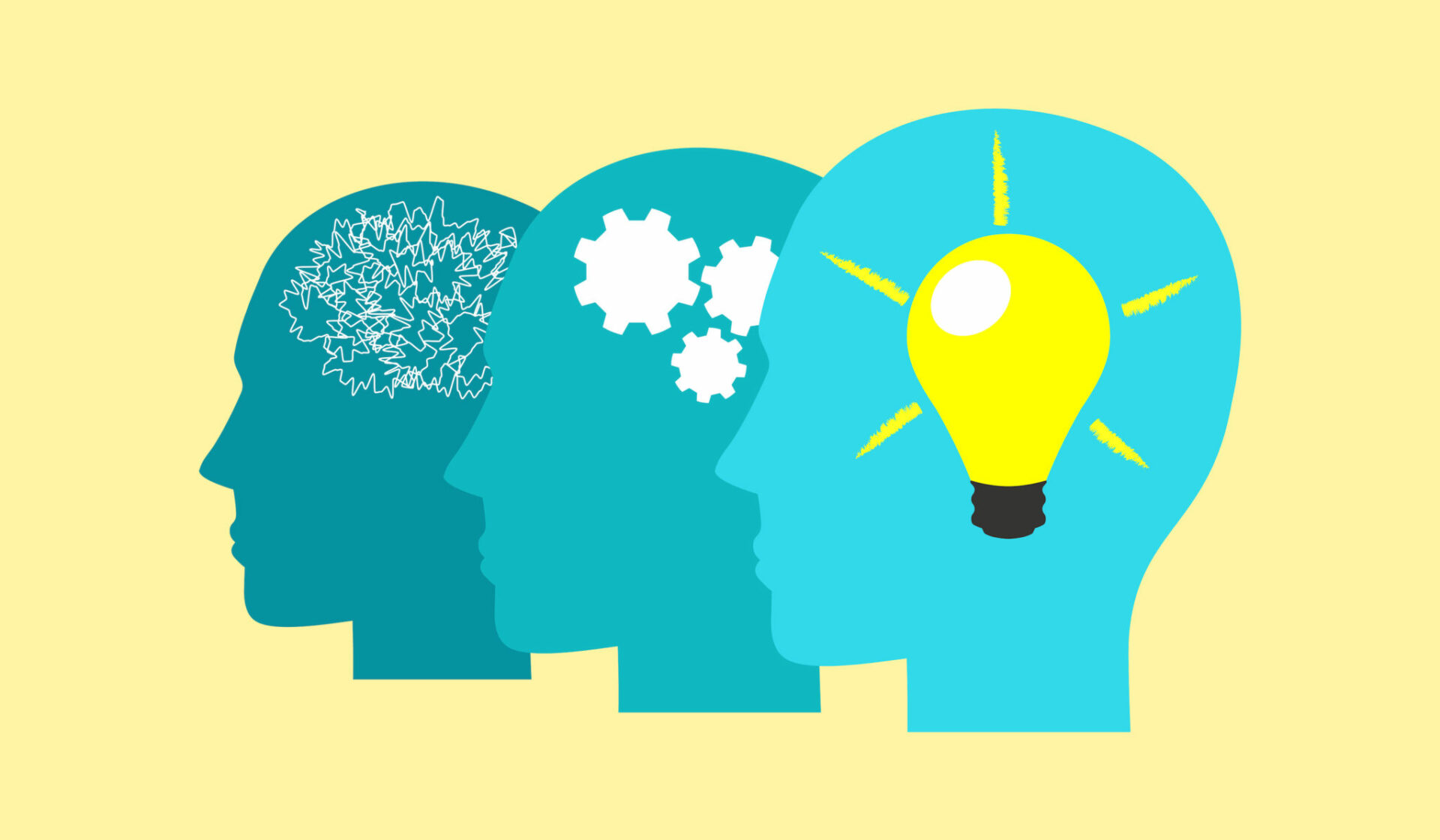
That persistent ache in your soul, that unspoken yearning for wholeness, that feeling of being disconnected from something larger than yourself – these are often the first whispers of a need for spiritual healing. It’s a journey toward reclaiming your authentic self, stripping away the layers of pain, fear, and conditioning that obscure the radiant being you truly are. The journey of understanding the meaning of healing in spiritual life is personal, profound, and ultimately, transformative.
This isn't just about feeling better; it’s about living better, loving deeper, and connecting to the divine spark within. When you embark on this path, you unlock mental clarity, cultivate emotional resilience, and forge a deeper connection to yourself, others, and the universe. You begin to see the interconnectedness of all things and understand that healing one part of yourself ripples out to heal the whole.
Try this today: find a quiet space, close your eyes, and breathe deeply. As you inhale, visualize golden light filling your body. As you exhale, release any tension or negativity. Repeat this for five minutes, focusing on the sensation of light and release. Notice any shifts in your energy or mood.
The Foundations of Spiritual Healing
Spiritual healing encompasses more than just the absence of pain; it's a holistic approach that addresses the root causes of suffering on all levels – physical, emotional, mental, and spiritual. It's about restoring harmony and balance within yourself and with the world around you. At its core, spiritual healing recognizes that we are all interconnected and that our thoughts, emotions, and beliefs have a powerful impact on our well-being.
Understanding the meaning of healing in spiritual life requires acknowledging the energy that flows through us and around us. This life force, often referred to as chi, prana, or spirit, is the foundation of our vitality and well-being. When this energy is blocked or stagnant, it can manifest as physical ailments, emotional distress, and spiritual disconnection. Spiritual healing seeks to clear these blockages and restore the natural flow of energy.
Faith plays a crucial role in this process. Not necessarily faith in a specific religion, but rather faith in the power of healing itself, faith in your own innate ability to heal, and faith in the universe's inherent goodness. This faith acts as a catalyst, amplifying the healing energy and creating a space for miracles to occur.
Meditation is another cornerstone of spiritual healing. It allows you to quiet the mind, connect with your inner self, and access a state of deep relaxation and receptivity. In this state, you can release limiting beliefs, cultivate self-compassion, and receive guidance from your intuition.
Inner alignment is paramount. When your thoughts, feelings, and actions are aligned with your values and your highest self, you experience a sense of peace and harmony. This alignment creates a powerful force field of positive energy that supports healing and well-being. Understanding the meaning of healing in spiritual life involves consciously choosing thoughts, feelings, and actions that nourish your soul.
Simple Practices for Everyday Healing
Many powerful spiritual healing practices are simple and accessible to everyone. These practices can be incorporated into your daily routine to cultivate inner peace, release stress, and enhance your connection to the divine.
Harnessing the Power of Breathwork
Conscious breathing techniques can profoundly impact your physical, emotional, and spiritual well-being. One simple technique is the 4-7-8 breath: inhale deeply through your nose for a count of 4, hold your breath for a count of 7, and exhale slowly through your mouth for a count of 8. Repeat this several times, focusing on the sensation of your breath. This practice calms the nervous system, reduces anxiety, and promotes relaxation.
The Transformative Power of Affirmations
Affirmations are positive statements that you repeat to yourself to reprogram your subconscious mind and create positive change in your life. Choose affirmations that resonate with your healing goals, such as "I am healthy and whole," "I am filled with love and light," or "I am open to receiving healing energy." Repeat these affirmations daily, with feeling and intention.
Visualization for Inner Peace
Visualization is a powerful tool for creating the reality you desire. Close your eyes and imagine yourself in a peaceful, healing environment, such as a serene beach, a lush forest, or a sacred temple. Visualize yourself feeling healthy, happy, and whole. Engage all of your senses – see the colors, hear the sounds, smell the scents, and feel the sensations of well-being.
Grounding and Gratitude
Grounding techniques help you connect with the earth and stabilize your energy. Spend time in nature, walk barefoot on the grass, or visualize roots growing from your feet into the ground. Gratitude practices help you focus on the positive aspects of your life and cultivate a sense of appreciation. Keep a gratitude journal, express your gratitude to others, or simply take a moment each day to reflect on the things you are grateful for.
Connecting Body, Mind, and Spirit
True healing encompasses the interconnectedness of the body, mind, and spirit. It moves beyond addressing symptoms to addressing the root causes of imbalance and dis-ease. This holistic approach recognizes that our physical health is influenced by our emotional state, our mental beliefs, and our spiritual connection. Understanding the meaning of healing in spiritual life involves listening to the wisdom of your body, nurturing your emotional well-being, and cultivating a positive mindset.
This isn’t about ignoring physical ailments. It’s about understanding how emotional stress or limiting beliefs might be contributing to those ailments. It’s about using spiritual practices to support your physical healing journey, not replace it.
For example, if you’re experiencing chronic pain, instead of simply focusing on pain medication, explore the emotional roots of the pain. What unresolved emotions are you holding onto? What limiting beliefs are you carrying about your body and your ability to heal? Practices like journaling, therapy, and energy healing can help you uncover and release these underlying issues.
The Role of Environment and Healing Tools
Your environment plays a significant role in your healing journey. Creating a peaceful and supportive environment can greatly enhance your well-being. This includes having a quiet space where you can meditate, relax, and connect with your inner self. Spending time in nature can also be incredibly healing, as it allows you to connect with the earth's energy and experience a sense of peace and renewal.
Surrounding yourself with a supportive community of like-minded individuals can provide encouragement, inspiration, and accountability. Sharing your experiences and connecting with others on a similar path can help you feel less alone and more empowered.
Sacred objects, such as crystals, candles, and incense, can also be used to create a sacred space and enhance your spiritual practice. These objects can serve as reminders of your intention and help you connect with your inner self.
Various healing tools and traditions can be incorporated into your spiritual healing journey. Reiki, a Japanese energy healing technique, involves channeling energy to promote healing and balance. Prayer, a powerful form of communication with the divine, can provide comfort, guidance, and healing. Journaling allows you to explore your thoughts and feelings, process your emotions, and gain clarity on your path. Crystal use involves harnessing the energy of crystals to promote healing and well-being. Sound healing utilizes the power of sound vibrations to clear blockages and restore harmony.
Common Struggles and Gentle Guidance
The path of spiritual healing is not always easy. It's natural to encounter doubts, distractions, and emotional blockages along the way. Be patient with yourself and remember that healing is a lifelong journey, not a destination.
Doubt is a common obstacle on the spiritual path. When doubt arises, acknowledge it without judgment and gently redirect your focus back to your intention. Remind yourself of the progress you have made and trust in your ability to heal.
Distractions can also derail your progress. Minimize distractions by creating a designated time and space for your spiritual practice. Turn off your phone, close your email, and let others know that you need uninterrupted time.
Emotional blockages can arise as you delve deeper into your healing journey. These blockages may manifest as resistance, fear, or overwhelming emotions. Be gentle with yourself and allow yourself to feel your emotions without judgment. Seek support from a therapist or counselor if you need help processing difficult emotions.
Remember that healing takes time and patience. There will be setbacks and challenges along the way. Celebrate your progress, no matter how small, and trust that you are moving in the right direction.
When feeling lost or overwhelmed, seeking guidance from experienced mentors, healers, or therapists can be incredibly beneficial. These individuals can provide support, insights, and tools to help you navigate your healing journey with greater ease and clarity.
Growth Perspective: Patience, Trust, and Lifelong Journey
Spiritual healing isn't a quick fix; it's a journey of self-discovery and transformation that unfolds over time. Cultivate patience and trust in the process. Remember that even small steps forward are progress. Celebrate your successes and learn from your challenges. View each experience as an opportunity for growth and expansion.
Look for signs of progress along the way. These signs may include increased inner peace, improved emotional regulation, enhanced intuition, and a deeper sense of connection to yourself and the world around you.
Understanding the meaning of healing in spiritual life necessitates understanding it is a cyclical process, with periods of growth, integration, and sometimes, apparent setbacks. Embrace the ebb and flow of life and trust that you are always exactly where you need to be.
Frequently Asked Questions
What does it mean to be spiritually healed?
Spiritual healing is about restoring wholeness and balance to your being – body, mind, and spirit. It's not just about the absence of symptoms, but about cultivating inner peace, connection, and alignment with your true self.
How can I tell if I'm making progress in my spiritual healing journey?
Signs of progress can include increased feelings of inner peace, improved emotional resilience, a stronger sense of intuition, and a deeper connection to yourself and others. You may also notice a greater sense of purpose and meaning in your life.
Is spiritual healing a replacement for traditional medical treatment?
No, spiritual healing is not a replacement for traditional medical treatment. It's a complementary approach that can support your overall well-being alongside conventional healthcare. Always consult with a qualified healthcare professional for any medical concerns.
What if I don't feel connected to a particular religion? Can I still experience spiritual healing?
Absolutely! Spiritual healing is not limited to any particular religion. It's about connecting with your own inner wisdom, the divine energy that flows through all things, and your authentic self. It's a personal journey of self-discovery and transformation.
How do I deal with doubts and distractions during my spiritual healing practice?
Acknowledge your doubts and distractions without judgment. Gently redirect your focus back to your intention and remind yourself of the progress you have made. Create a dedicated time and space for your practice, and minimize distractions as much as possible.
Where can I find support for my spiritual healing journey?
Consider seeking guidance from experienced mentors, healers, therapists, or spiritual communities. Reading books, attending workshops, and engaging in online forums can also provide valuable support and resources.
The next step is to choose one small practice, one small insight from this reading, and embody it in your life, starting today. Embrace the journey of understanding the meaning of healing in spiritual life – it’s a journey home to yourself.

Post a Comment