
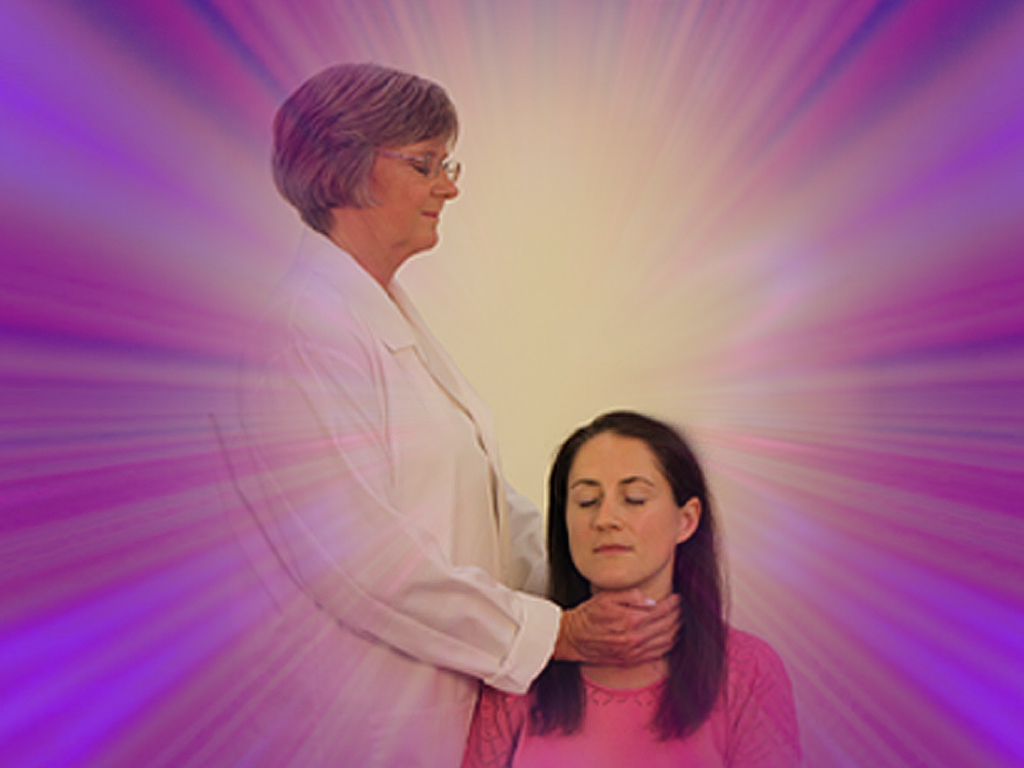
Have you ever felt a deep pull to ease the suffering of others, a stirring within that whispers you have a unique gift to share? Perhaps you believe that formal training is the only path, but the truth is that you can learn how to become a healer spiritually without formal training – simply by nurturing the innate healing power that resides within you. The journey is about awakening your intuition, deepening your connection to the divine, and allowing your heart to lead the way.
This path of self-discovery and compassionate service matters because it allows you to tap into a wellspring of inner peace and strength, not just for yourself but also for those around you. Spiritual healing, at its core, is about restoring harmony – within the individual, within relationships, and within the world. As you develop your capacity to heal, you cultivate greater mental clarity, emotional resilience, and a profound sense of purpose. You begin to see the interconnectedness of all things, and your actions become imbued with intention and love.
Take a moment today to simply place your hands on your heart, close your eyes, and breathe deeply. Silently repeat the affirmation: "I am open to receiving and sharing healing energy." Notice any sensations or emotions that arise without judgment. This simple practice can begin to unlock the healer within.
Embracing Your Innate Healing Abilities
Spiritual healing isn't about acquiring a set of techniques; it's about remembering who you truly are – a being of light, love, and infinite potential. It's about recognizing the healing power that already exists within you, waiting to be awakened. This awakening begins with self-awareness and a conscious decision to cultivate your inner landscape. Understanding that everything is connected, energy-wise, allows you to begin your training.
The foundation of spiritual healing rests on several key principles: energy, faith, meditation, and inner alignment. We are all surrounded by and composed of energy. By learning to sense and work with this energy, you can facilitate healing on multiple levels. Faith, in this context, isn't necessarily religious belief, but rather a deep trust in the power of the universe to support healing and transformation. Meditation helps quiet the mind, allowing you to access your intuition and connect with your inner guidance. Finally, inner alignment involves living in accordance with your values and purpose, creating a sense of wholeness and authenticity.
Practical Steps to Cultivate Your Healing Gifts
Start with Self-Healing: You cannot effectively heal others if you are not tending to your own wounds. Prioritize self-care practices that nourish your body, mind, and spirit. This could include spending time in nature, practicing yoga, journaling, or engaging in creative expression. As you heal yourself, you naturally expand your capacity to heal others. Develop Your Intuition: Intuition is your inner compass, guiding you towards what is true and right. Practice quieting your mind through meditation or mindfulness, and pay attention to the subtle cues you receive – gut feelings, dreams, synchronicities. Trust that inner voice; it knows more than you think. Practice Compassion and Empathy:Healing is rooted in love and compassion. Cultivate empathy by actively listening to others, putting yourself in their shoes, and offering support without judgment. Remember that everyone is doing the best they can with what they have.
Simple Practices for Spiritual Healing
Even without formal training, there are numerous simple practices you can incorporate into your daily life to cultivate your healing abilities. These practices help you connect with your inner self, raise your vibration, and create a space for healing to occur.
Breathwork: Conscious breathing can calm the nervous system, release emotional blockages, and increase energy flow. Try box breathing: inhale for a count of four, hold for four, exhale for four, hold for four. Repeat for several minutes. Affirmations: Positive affirmations can reprogram your subconscious mind and create new beliefs. Choose affirmations that resonate with your intention to heal, such as "I am a powerful healer," or "Healing energy flows through me." Repeat them regularly with feeling. Visualization: Use your imagination to create a mental picture of healing. Visualize yourself surrounded by light, or imagine sending healing energy to someone in need. Grounding: Connect with the earth to release excess energy and feel more grounded. Walk barefoot on grass, hug a tree, or simply visualize roots extending from your feet into the earth. Gratitude:Cultivate an attitude of gratitude to shift your focus from what's lacking to what you have. Keep a gratitude journal, or simply take a few moments each day to appreciate the blessings in your life.
Creating a Supportive Environment for Healing
Your environment plays a crucial role in your ability to heal. Create a space that feels safe, nurturing, and conducive to inner peace.
Quiet Space: Designate a quiet corner in your home where you can meditate, reflect, and connect with your inner self. Nature: Spend time in nature whenever possible. The natural world is a powerful source of healing and inspiration. Community: Surround yourself with supportive people who believe in your healing abilities. Sacred Objects: Use objects that hold personal meaning or symbolism, such as crystals, candles, or artwork, to create a sacred space.
Navigating the Challenges of Spiritual Healing
The path of a healer is not always easy. You may encounter doubt, distractions, and emotional blockages along the way. It's important to approach these challenges with patience, compassion, and self-awareness.
Doubt is a common obstacle, especially in the beginning. Remember that everyone starts somewhere. Trust the process, and focus on the positive results you are seeing. Distractions are inevitable. Create a schedule for your healing practices and stick to it as much as possible. If you find yourself getting off track, gently redirect your attention back to your intention. Emotional blockages can manifest as resistance, fear, or overwhelm. Be patient with yourself, and allow yourself to feel and process your emotions without judgment. Journaling, therapy, or energy work can be helpful in releasing these blockages.
Remember, the journey of becoming a spiritual healer is a lifelong process of growth and evolution. There will be times when you feel discouraged or overwhelmed. It's important to be patient with yourself, to celebrate your progress, and to trust that you are exactly where you need to be. Look for signs of progress, such as increased intuition, deeper compassion, and a greater sense of inner peace.
Sometimes, seeking support from experienced healers, mentors, or therapists is essential. They can provide guidance, support, and tools to help you overcome obstacles and deepen your healing abilities. Don't hesitate to reach out when you need help.
Tools and Traditions to Enhance Your Healing Practice
While formal training isn't a prerequisite, exploring various healing tools and traditions can enrich your understanding and expand your abilities.
Reiki: A Japanese energy healing technique that promotes relaxation and reduces stress. Prayer: A powerful way to connect with the divine and request healing for yourself and others. Journaling: A therapeutic tool for processing emotions, gaining clarity, and tracking your progress. Crystal Use: Crystals are believed to have healing properties that can be used to balance energy and promote well-being. Sound Healing:Using sound vibrations, such as singing bowls or chanting, to promote relaxation and healing.
FAQ About Becoming a Spiritual Healer
Is it possible to be a healer without any natural talent?
While some people may seem to possess a natural affinity for healing, the truth is that everyone has the potential to develop their healing abilities. It's less about inherent talent and more about dedication, practice, and a genuine desire to help others. Nurturing compassion and empathy is the key.
How do I know if I'm really making a difference in someone's life?
The impact of your healing efforts may not always be immediately apparent. Look for subtle signs of positive change, such as increased relaxation, reduced pain, improved mood, or a greater sense of hope. Trust your intuition and listen to the feedback you receive from others. Most importantly, focus on offering your best intentions and allowing the healing process to unfold naturally.
What if I make a mistake or unintentionally harm someone?
It's important to approach healing with humility and respect. If you make a mistake, acknowledge it, learn from it, and take steps to rectify the situation. Always act with the best intentions and be mindful of your limitations. Seek guidance from experienced healers if you are unsure about something.
How can I protect myself from taking on other people's energy?
As a healer, it's essential to protect your own energy field. Practice grounding techniques regularly, visualize yourself surrounded by a protective shield of light, and clear your energy field after each healing session. Avoid taking on other people's emotions or problems. Remember that you are a conduit for healing energy, not a sponge.
Is it selfish to prioritize my own well-being as a healer?
Absolutely not! Self-care is not selfish; it's essential. You cannot pour from an empty cup. Prioritizing your own well-being allows you to be a more effective and compassionate healer. Make time for rest, relaxation, and activities that nourish your body, mind, and spirit.
When is it appropriate to refer someone to a medical professional?
Spiritual healing is not a substitute for medical treatment. If someone has a serious medical condition, encourage them to seek professional medical advice. You can work in conjunction with medical professionals to provide holistic care and support.
Now that you've taken the first steps, commit to practicing one of these techniques daily. Observe what you learn from yourself and the changes it inspires in you. Trust your inner guidance; it will lead you toward how to become a healer spiritually without formal training.

Post a Comment