
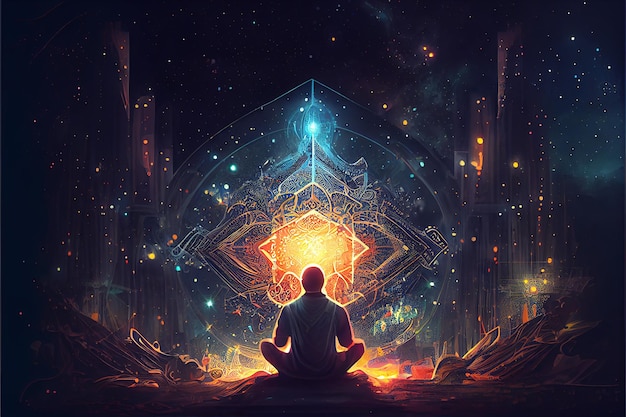
Imagine your life as a vibrant garden, bursting with potential, but overgrown with weeds. These weeds represent the emotional blockages – the hurts, traumas, and limiting beliefs – that stifle your growth and prevent you from blossoming into your fullest self. The good news is, you already possess the tools to cultivate this garden and nurture your inner landscape. Spiritual tools, in this case, are not mystical wands, but practical practices and perspectives that help you clear away the debris and allow healing energy to flow. It's time to unearth the inherent wisdom within you and begin the journey toward profound emotional freedom.
Why dedicate yourself to clearing these blockages? Because emotional well-being is the bedrock of a fulfilling life. When you release pent-up emotions, you gain mental clarity, allowing you to make decisions from a place of inner peace rather than reactive fear. Emotional resilience blossoms, enabling you to navigate life's inevitable challenges with grace and strength. Most importantly, you foster a deeper connection with yourself, your intuition, and the divine, unlocking a reservoir of unconditional love and unwavering support.
Try this simple exercise today: find a quiet space, close your eyes, and bring your awareness to your heart center. Breathe deeply, and imagine a golden light radiating from your heart, dissolving any tension or pain you may be holding. Repeat silently, "I am safe. I am loved. I am healing." Even a few minutes of this practice can begin to shift your energy and open you to the transformative power of self-compassion.
Unearthing the Foundations of Spiritual Healing
Spiritual healing isn't about bypassing your emotions or suppressing your pain. It's about acknowledging, understanding, and ultimately transforming your experiences through a lens of self-love and spiritual awareness. At its core, it's a holistic approach that recognizes the interconnectedness of your body, mind, and spirit. When one aspect is out of balance, it affects the others. True healing addresses the root cause of the problem, rather than merely masking the symptoms. It requires faith – not necessarily in a specific religion, but in the inherent goodness and healing capacity of the universe, and within yourself.
One of the cornerstones of spiritual healing is cultivating inner alignment. This means aligning your thoughts, words, and actions with your core values and beliefs. When you live authentically, you create a powerful flow of energy that supports your well-being. Meditation plays a vital role in achieving this alignment. Through regular meditation, you can quiet the mental chatter, access your intuition, and connect with a deeper sense of peace and purpose. It's about finding the stillness within, even amidst the chaos of daily life.
The Power of Simple Practices
Spiritual healing doesn't require elaborate rituals or years of training. Many of the most effective tools are simple, accessible practices that you can integrate into your daily routine.
Breathwork: Conscious breathing is a powerful way to regulate your nervous system and release pent-up emotions. Try box breathing (inhale for 4, hold for 4, exhale for 4, hold for 4) to calm anxiety or alternate nostril breathing to balance your energy. Affirmations: Positive affirmations can reprogram your subconscious mind and shift limiting beliefs. Choose affirmations that resonate with you, such as "I am worthy of love and happiness" or "I am capable of achieving my dreams." Repeat them regularly with conviction. Visualization: Use your imagination to create positive outcomes. Visualize yourself overcoming challenges, achieving your goals, and radiating love and joy. The more vividly you visualize, the more powerful the effect. Grounding: Connect with the earth to stabilize your energy and reduce stress. Walk barefoot on grass, hug a tree, or visualize roots extending from your feet into the earth. Gratitude:Cultivate an attitude of gratitude to shift your focus from what's lacking to what you already have. Keep a gratitude journal, express appreciation to others, or simply take a moment each day to acknowledge the blessings in your life.
Connecting Body, Mind, and Spirit
Often, emotional blockages manifest as physical symptoms. Your body holds onto unresolved emotions, creating tension, pain, and even illness. Learning to listen to your body is crucial for unlocking these blockages. Notice where you feel tension, and ask yourself what emotions might be associated with that area. Practice gentle movement, such as yoga or tai chi, to release physical and emotional stagnation.
Furthermore, recognize that your thoughts have a profound impact on your emotions and your physical health. Challenge negative thought patterns and replace them with more positive, empowering beliefs. Cultivate self-compassion and treat yourself with the same kindness and understanding you would offer a dear friend.
Creating a Supportive Environment
Your environment plays a significant role in your emotional well-being. Create a space that nurtures your spirit and supports your healing journey. Designate a quiet corner in your home for meditation and reflection. Surround yourself with objects that inspire you, such as crystals, artwork, or nature elements. Spend time in nature, which has a naturally calming and restorative effect.
Nurturing positive relationships is also essential. Surround yourself with people who support your growth and celebrate your successes. Seek out a community of like-minded individuals who share your values and beliefs. Consider joining a support group or working with a therapist or spiritual mentor.
Healing Tools and Traditions
Throughout history, various healing traditions have offered powerful tools for releasing emotional blockages. Explore these options and find what resonates with you.
Reiki: This Japanese energy healing technique promotes relaxation and reduces stress by channeling universal life force energy. Prayer: Whether you pray to a specific deity or simply express your intentions to the universe, prayer can be a powerful tool for connecting with the divine and receiving guidance and support. Journaling: Writing down your thoughts and feelings can help you process your emotions and gain clarity. Try free writing, gratitude journaling, or journaling prompts focused on specific emotional issues. Crystal Use: Crystals are believed to hold specific energetic properties that can support healing. Research different crystals and choose those that align with your intentions. For example, rose quartz is associated with love and compassion, while amethyst promotes peace and tranquility. Sound Healing:Sound frequencies can have a profound impact on your nervous system and emotional state. Explore sound baths, chanting, or listening to healing music.
Navigating Common Struggles
The healing journey is not always linear. You will likely encounter challenges and setbacks along the way. Doubt, distractions, and emotional resistance are common. Be patient with yourself and remember that progress, not perfection, is the goal.
When doubt creeps in, remind yourself of the progress you've already made. Celebrate your small victories and acknowledge your strengths. If you get distracted, gently redirect your attention back to your practice. Don't judge yourself for having negative emotions. Acknowledge them, allow yourself to feel them, and then release them with compassion.
Above all, trust the process. Know that you are capable of healing and that the universe is supporting you every step of the way. Spiritual growth is a lifelong journey. Embrace it with an open heart and a willingness to learn and evolve.
When to Seek Support
While spiritual tools can be incredibly powerful, sometimes you may need additional support. If you are struggling with persistent emotional pain, trauma, or mental health issues, consider seeking professional help from a therapist, counselor, or psychiatrist. A qualified professional can provide guidance, support, and evidence-based treatments to help you heal. Don't hesitate to reach out for help when you need it. It's a sign of strength, not weakness. Furthermore, seek a mentor or spiritual guide. Talking to someone with experience can provide guidance and support.
Frequently Asked Questions (FAQs)
What if I don't feel anything when I try these spiritual tools?
That's perfectly normal! It takes time and practice to connect with your inner self and notice subtle shifts in energy. Keep practicing, and be patient with yourself. Even if you don't feel anything immediately, the tools are still working on a deeper level.
How often should I practice these techniques?
Ideally, incorporate these practices into your daily routine. Even just 5-10 minutes a day can make a significant difference. Experiment with different times and see what works best for you. Consistency is key.
Can spiritual tools replace traditional therapy?
Spiritual tools can complement traditional therapy, but they shouldn't be used as a replacement for it, especially if you are dealing with serious mental health issues. If you are struggling with significant emotional challenges, seek professional help.
What if I feel resistance to doing these practices?
Resistance is a sign that you are approaching a block that needs to be addressed. Start slowly and gently. Choose a practice that feels least intimidating and gradually increase the intensity. Remind yourself that you are doing this for your own well-being.
How do I know if I'm making progress?
Pay attention to subtle shifts in your thoughts, feelings, and behaviors. Are you feeling more calm, centered, and joyful? Are you reacting to situations with more grace and compassion? Are you noticing a decrease in physical symptoms? These are all signs of progress.
Is it okay to combine different spiritual tools and traditions?
Absolutely! Experiment with different tools and traditions and see what resonates with you. There is no one-size-fits-all approach to spiritual healing. Trust your intuition and create a practice that feels authentic and empowering.
Start small, be consistent, and trust in your own capacity for healing. Choose one spiritual tool described above and dedicate the next week to practicing it daily. Note the impact on your emotional state. You have the power to transform your life and create a future filled with joy, peace, and purpose.

Post a Comment