
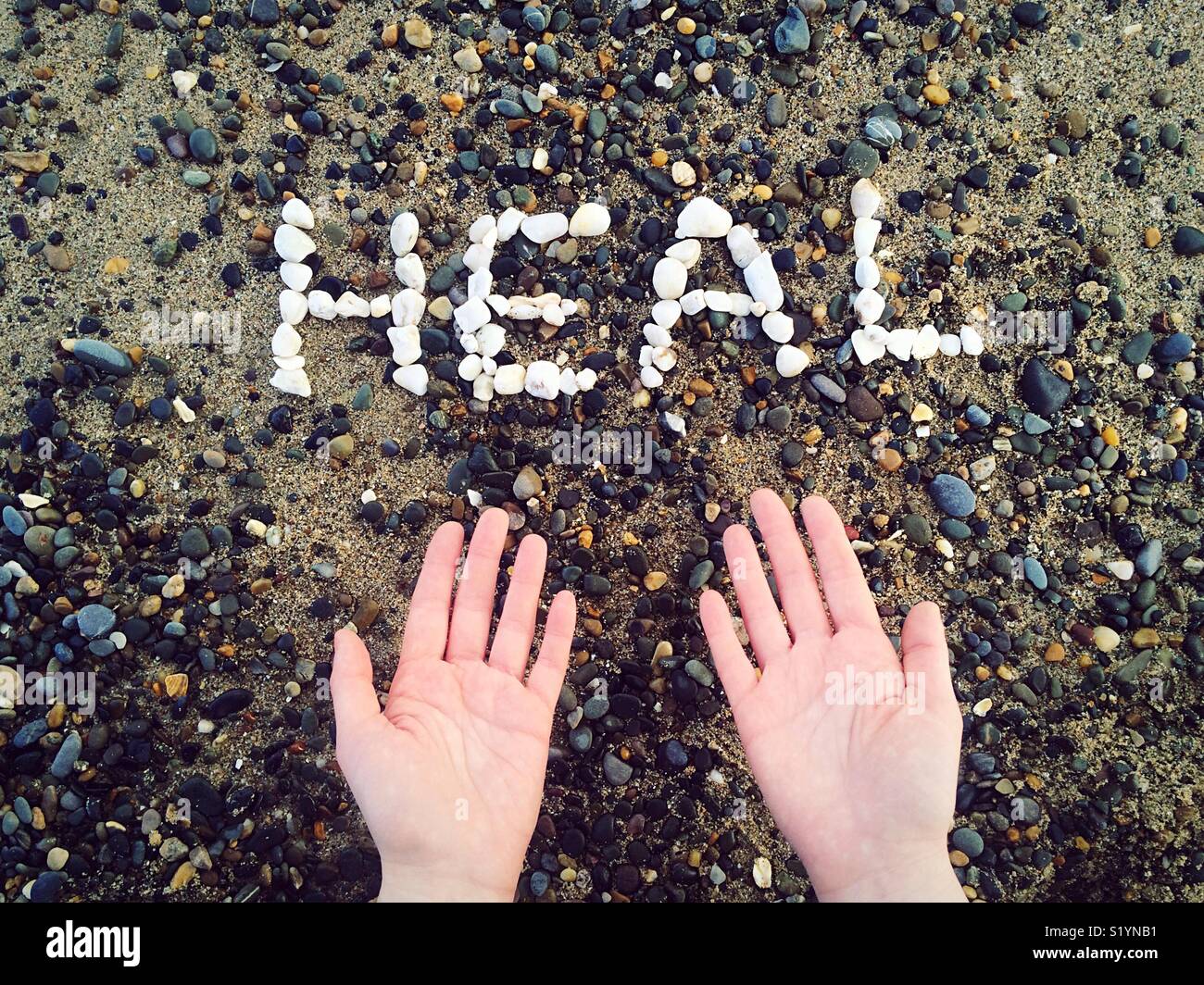
That ache in your soul, the sense of wandering without a compass – it's a universal human experience. Feeling lost isn't a sign of failure, but a signal that a shift is needed, a call to reconnect with your inner light. When the world feels chaotic and your path obscured, turning inward to explore how to heal spiritually when feeling lost can be the most powerful journey you undertake. It's about rediscovering your truth, reclaiming your power, and remembering who you truly are beneath the layers of doubt and confusion.
Why does addressing this feeling of spiritual lostness matter so deeply? Because it's at the core of our well-being. Ignoring it can lead to mental stagnation, emotional turmoil, and a disconnect from the joy and purpose that life offers. When we actively engage in spiritual healing, we cultivate mental clarity, build emotional resilience, and foster a deeper connection with ourselves, others, and the divine. This connection provides a sense of belonging and direction, helping us navigate life's challenges with grace and strength.
Today, take a moment to simply breathe. Close your eyes, inhale deeply, and as you exhale, silently repeat the affirmation, "I am safe. I am guided. I am loved." Feel the grounding effect of your breath and the gentle reassurance of these words.
Understanding the Foundations of Spiritual Healing
Spiritual healing goes beyond addressing physical symptoms; it delves into the energetic, emotional, and mental roots of our being. It acknowledges that we are more than just a body; we are a complex tapestry of interconnected energies. At its core, spiritual healing emphasizes the importance of faith – not necessarily in a religious dogma, but in a universal intelligence, a higher power, or simply in the inherent goodness within ourselves and the world. Meditation, in its various forms, serves as a cornerstone, providing a pathway to quiet the mind, access inner wisdom, and cultivate a sense of inner alignment. True healing stems from aligning our thoughts, feelings, and actions with our authentic self, allowing our true purpose to emerge.
Connecting Body, Mind, and Spirit
Holistic healing recognizes the inseparable link between our physical, mental, and spiritual well-being. Often, we tend to focus on treating symptoms, whether it's a physical ailment or an emotional struggle. Spiritual healing encourages us to look deeper, to understand the underlying causes of these imbalances. Is stress manifesting as tension in your body? Is unresolved grief clouding your mind? By addressing the root causes, we create lasting healing that permeates every aspect of our being. Pay attention to your body's signals. Acknowledge your emotions without judgment. Nurture your spirit with practices that bring you joy and peace. This is the essence of holistic self-care.
Simple Practices for Spiritual Healing
When feeling lost, sometimes the most profound healing comes from the simplest practices. These are tools you can use anywhere, anytime to center yourself and reconnect with your inner guidance.
Breathwork: Conscious breathing is a powerful way to calm the nervous system and access a state of presence. Try box breathing: inhale for a count of four, hold for four, exhale for four, and hold for four. Repeat this cycle for several minutes, noticing the shift in your mental and emotional state. Affirmations: Positive affirmations are statements that reinforce empowering beliefs. When feeling lost, try repeating affirmations like, "I trust my intuition," "I am worthy of love and guidance," or "I am capable of creating a fulfilling life." Visualization: Close your eyes and imagine yourself in a peaceful setting, such as a serene beach or a lush forest. Visualize yourself feeling calm, centered, and confident. Engage all your senses – what do you see, hear, smell, and feel? Grounding: Grounding techniques help you connect with the earth's energy and feel more present in your body. Go for a walk in nature, hug a tree, or simply stand barefoot on the grass. Visualize roots extending from your feet deep into the earth, anchoring you in the present moment. Gratitude:Cultivating gratitude can shift your perspective from what's lacking to what you already have. Keep a gratitude journal and write down three things you're grateful for each day, no matter how small.
Creating a Supportive Environment
Your environment plays a significant role in your spiritual well-being. Surround yourself with elements that nourish your soul and create a sense of peace. Designate a quiet space in your home for meditation, reflection, or simply relaxing. Spend time in nature, connecting with the beauty and tranquility of the natural world. Seek out supportive communities of like-minded individuals who share your values and encourage your spiritual growth. Consider incorporating sacred objects into your space, such as crystals, candles, or artwork that resonates with you. These objects can serve as reminders of your intentions and provide a sense of comfort and inspiration.
Exploring Healing Tools and Traditions
Many healing tools and traditions can support your spiritual journey. Reiki, a Japanese energy healing technique, promotes relaxation and balance by channeling healing energy through the hands. Prayer, regardless of your religious beliefs, can be a powerful way to connect with a higher power and express your hopes, fears, and gratitude. Journaling provides a safe space to explore your thoughts and emotions, gain clarity, and track your progress. Crystals are believed to possess unique energetic properties that can support healing and well-being. Sound healing, using instruments like singing bowls or gongs, can create vibrational frequencies that promote relaxation and release emotional blockages.
Navigating Common Struggles
It's natural to encounter challenges on your spiritual journey. Doubt and skepticism may arise, especially when you're feeling lost and uncertain. Distractions can pull you away from your practices and make it difficult to stay focused. Emotional blockages, such as fear, anger, or grief, can prevent you from fully opening to healing. Be patient with yourself, and remember that progress is not always linear. Acknowledge your struggles without judgment and allow yourself to feel your emotions fully. Seek support from trusted friends, family members, or spiritual mentors who can offer guidance and encouragement.
Embracing the Journey
Spiritual healing is a lifelong journey, not a destination. There will be times when you feel lost, confused, or discouraged. But remember that every challenge is an opportunity for growth and transformation. Trust the process, and have faith in your ability to heal and evolve. Celebrate your progress, no matter how small. Notice the moments of clarity, peace, and joy that emerge along the way. These are signs that you're moving in the right direction.
Remember that seeking professional support is a sign of strength, not weakness. A therapist, counselor, or spiritual healer can provide guidance, tools, and techniques to help you navigate your challenges and deepen your spiritual practice. If you're feeling overwhelmed or stuck, don't hesitate to reach out for help.
Signs You're Growing Spiritually
Spiritual growth often manifests in subtle ways. You might notice an increased sense of inner peace, even amidst challenging circumstances. Your intuition may become sharper, guiding you towards decisions that align with your highest good. You may experience a greater sense of compassion and empathy for yourself and others. You might find yourself drawn to activities and experiences that nourish your soul and bring you joy. These are all signs that you're on the right path.
Frequently Asked Questions (FAQs)
How do I know if I'm really experiencing spiritual healing?
Spiritual healing often manifests as a greater sense of peace, clarity, and connection. You might experience a reduction in stress, an increase in joy, or a deeper sense of purpose. Trust your intuition and pay attention to the subtle shifts in your thoughts, feelings, and behaviors.
What if I don't believe in a higher power? Can I still heal spiritually?
Yes! Spiritual healing doesn't require a belief in a specific deity or religion. It's about connecting with your inner self, cultivating compassion, and finding meaning in your life. You can focus on developing your values, nurturing your relationships, and contributing to something larger than yourself.
How long does it take to heal spiritually when feeling lost?
The timeline for spiritual healing varies for everyone. It's a lifelong journey, not a quick fix. Be patient with yourself, and celebrate every step of progress along the way. Consistency in your practices is key.
What if I get distracted during meditation?
Distractions are a normal part of meditation. When your mind wanders, gently guide your attention back to your breath or your chosen focus. Don't judge yourself for getting distracted; simply acknowledge it and return to the present moment.
Can spiritual healing help with physical illness?
Spiritual healing can support physical healing by addressing the emotional and energetic factors that contribute to illness. However, it's not a replacement for conventional medical treatment. Work with your healthcare providers to create a holistic healing plan that addresses all aspects of your well-being.
What if I feel like I'm not making any progress?
It's natural to experience moments of doubt and discouragement. Remember that progress is not always linear. Be kind to yourself, and focus on the small steps you're taking each day. Seek support from trusted friends, family members, or spiritual mentors who can offer encouragement and guidance.
Take a deep breath, and remember that you are not alone. This feeling of lostness is a catalyst for growth, an invitation to rediscover your inner compass. Choose one small step today – perhaps a few minutes of meditation, a heartfelt journal entry, or a walk in nature – and trust that with each step, you are moving closer to a place of clarity, peace, and renewed purpose.

Post a Comment