
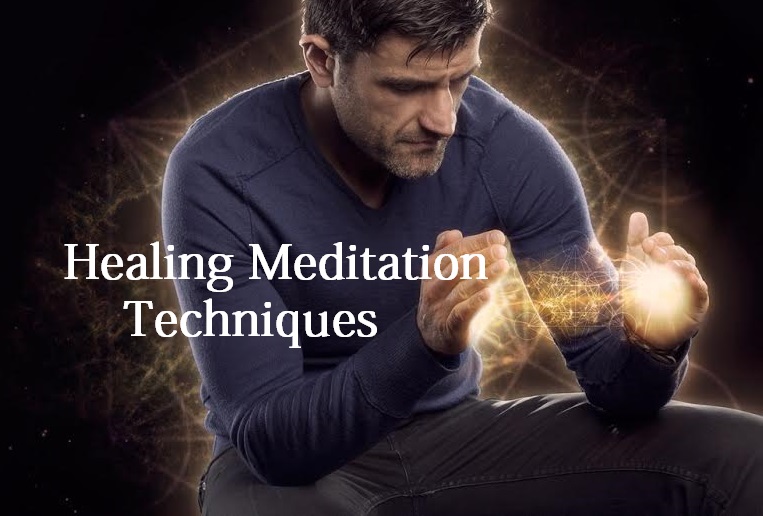
The ache in your heart, the weight on your shoulders – they're not just physical sensations. Often, these are echoes of a deeper spiritual dis-ease, a misalignment within your core being. Learning how to use meditation for spiritual healing offers a pathway to gently unravel these knots, allowing healing energy to flow freely once more and paving the way for authentic inner peace.
This journey inward matters because spiritual healing addresses the root causes of suffering, not just the symptoms. It’s about cultivating mental clarity, building emotional resilience, and forging a connection to something larger than yourself – a divine source, the universe, or simply the inherent wisdom within you. When you nurture your spirit, you empower yourself to navigate life's challenges with grace and unwavering faith.
Today, take a moment to simply notice your breath. Close your eyes, if that feels comfortable, and inhale deeply, filling your lungs completely. Exhale slowly, releasing any tension you might be holding. Repeat this five times, paying attention to the rise and fall of your chest. Even this small act of mindful breathing can begin to calm your mind and open you to the possibilities of healing.
Meditation as a Gateway to Spiritual Healing
Meditation, in its purest form, is simply being present. It’s about observing your thoughts and feelings without judgment, creating space between yourself and the constant chatter of your mind. This space is where spiritual healing begins to unfold. By quieting the noise, you can hear the whispers of your soul, the gentle guidance that's always available to you. When learning how to use meditation for spiritual healing, remember that consistency, even in small doses, is key.
Think of meditation as tending to an inner garden. Weeds of negativity, doubt, and fear constantly try to take root. Meditation helps you gently pull these weeds, allowing the flowers of love, compassion, and joy to blossom. It's not about achieving a "perfect" state of mind, but about cultivating a compassionate awareness of whatever arises.
Simple Meditation Practices for Spiritual Growth
There are countless ways to meditate. Don't get caught up in finding the "right" one. Experiment and discover what resonates with you. Here are a few simple practices to get you started on how to use meditation for spiritual healing: Breath Awareness Meditation:Find a comfortable seated position. Close your eyes or soften your gaze. Focus your attention on your breath as it enters and leaves your body. When your mind wanders, gently redirect your focus back to your breath.
Loving-Kindness Meditation (Metta): Sit comfortably and bring to mind someone you love. Silently repeat phrases such as "May you be well, may you be happy, may you be peaceful, may you be free from suffering." Extend these wishes to yourself, then to a neutral person, a difficult person, and finally, to all beings.
Body Scan Meditation: Lie down or sit comfortably. Bring your attention to your toes and slowly move your awareness up through your body, noticing any sensations without judgment. If you encounter tension or discomfort, simply acknowledge it and breathe into it.
Visualization Meditation: Close your eyes and imagine a peaceful scene, such as a forest, a beach, or a mountaintop. Engage all your senses. See the colors, hear the sounds, feel the textures, and smell the fragrances. Allow yourself to relax and find solace in this inner sanctuary.
Connecting with Your Inner Self
Spiritual healing is a holistic process that recognizes the interconnectedness of the body, mind, and spirit. It's not enough to simply address physical symptoms or emotional wounds. True healing occurs when we align ourselves with our authentic selves, embracing our strengths, acknowledging our weaknesses, and living in accordance with our values. Meditation helps us cultivate this inner alignment, shining a light on the parts of ourselves that need love, attention, and healing.
Meditation encourages a deeper understanding of your emotions. Instead of reacting automatically to feelings like anger or sadness, you begin to observe them with curiosity and compassion. You realize that these emotions are simply passing experiences, not definitions of who you are. This newfound awareness allows you to respond to life's challenges with greater wisdom and emotional intelligence.
Creating a Sacred Space for Meditation
Your environment can significantly impact your meditation practice. Create a space that feels safe, comfortable, and conducive to relaxation. This could be a dedicated meditation room, a cozy corner in your bedroom, or even a spot in nature. Consider incorporating elements that inspire you, such as candles, crystals, plants, or sacred objects.
Remember, consistency is more important than perfection. Aim to meditate at the same time each day, even if it's just for a few minutes. Over time, your meditation space will become a sanctuary, a refuge from the stresses of daily life. Experiment with using sound healing, gentle music, or guided meditations to deepen your experience.
Navigating Challenges and Embracing Growth
The path of spiritual healing is not always smooth. You may encounter doubt, distractions, emotional blockages, or even resistance to the process itself. Be patient with yourself and remember that these challenges are a natural part of the journey. When doubt arises, gently acknowledge it and redirect your focus back to your breath or your chosen meditation technique.
It's important to approach your practice with self-compassion. There will be days when your mind is particularly busy or your emotions are overwhelming. On those days, simply do your best and remember that even a few minutes of mindful presence can make a difference. Don't judge yourself for your thoughts or feelings. Instead, treat yourself with the same kindness and understanding that you would offer to a dear friend.
As you continue to practice, you'll begin to notice subtle shifts in your awareness, your emotions, and your overall well-being. You may feel more grounded, more connected, more at peace. These are signs of progress, evidence that your spiritual healing journey is unfolding as it should. Trust the process, be patient with yourself, and embrace the transformative power of meditation.
When to Seek Additional Support
While meditation is a powerful tool for spiritual healing, it's not always a substitute for professional help. If you're struggling with deep-seated trauma, mental health issues, or addiction, it's essential to seek support from a qualified therapist or counselor. A spiritual mentor or healer can also provide guidance and support on your spiritual journey.
Remember that seeking help is a sign of strength, not weakness. It takes courage to acknowledge your struggles and reach out for support. Combining meditation with professional guidance can accelerate your healing process and help you create a more fulfilling and meaningful life.
Using Journaling and Prayer
Journaling and prayer are powerful complements to meditation. Writing down your thoughts and feelings can help you process your emotions and gain clarity on your spiritual journey. Prayer, in whatever form resonates with you, can connect you to a higher power and provide comfort and guidance.
Consider starting a gratitude journal. Each day, write down three things you're grateful for. This simple practice can shift your focus from what's lacking in your life to what's already abundant. Experiment with different forms of prayer, such as traditional prayers, affirmations, or simply expressing your heartfelt desires to the universe.
Frequently Asked Questions
How long should I meditate for spiritual healing?
Even just 5-10 minutes of daily meditation can be beneficial. As you become more comfortable with the practice, you can gradually increase the duration. The key is consistency over length.
What if I can't quiet my mind during meditation?
It's normal for your mind to wander during meditation. The goal isn't to stop your thoughts, but to observe them without judgment and gently redirect your focus back to your breath or your chosen meditation object.
Can meditation help with anxiety and depression?
Yes, studies have shown that meditation can be effective in reducing symptoms of anxiety and depression. It can help you become more aware of your thoughts and feelings, allowing you to respond to them in a more skillful way.
What if I feel uncomfortable emotions during meditation?
It's possible to experience uncomfortable emotions during meditation. If this happens, acknowledge the emotion without judgment and allow yourself to feel it fully. If it becomes overwhelming, gently end your meditation session and seek support from a therapist or counselor.
Do I need to sit in a specific posture to meditate?
While traditional meditation often involves sitting in a specific posture, such as the lotus position, you can meditate in any position that is comfortable for you. You can sit in a chair, lie down, or even walk.
How do I know if my meditation practice is working?
Signs that your meditation practice is working include increased feelings of calm and peace, improved emotional regulation, greater self-awareness, and a deeper connection to your spiritual self. Be patient with yourself and trust the process.
Start small. Choose one of the meditation practices described above and commit to practicing it for just five minutes each day for the next week. Notice how you feel before and after each session. Observe any shifts in your mood, your energy levels, and your overall sense of well-being. As you cultivate your practice, remember that you are capable of profound healing and spiritual growth. The journey begins with a single breath.

Post a Comment